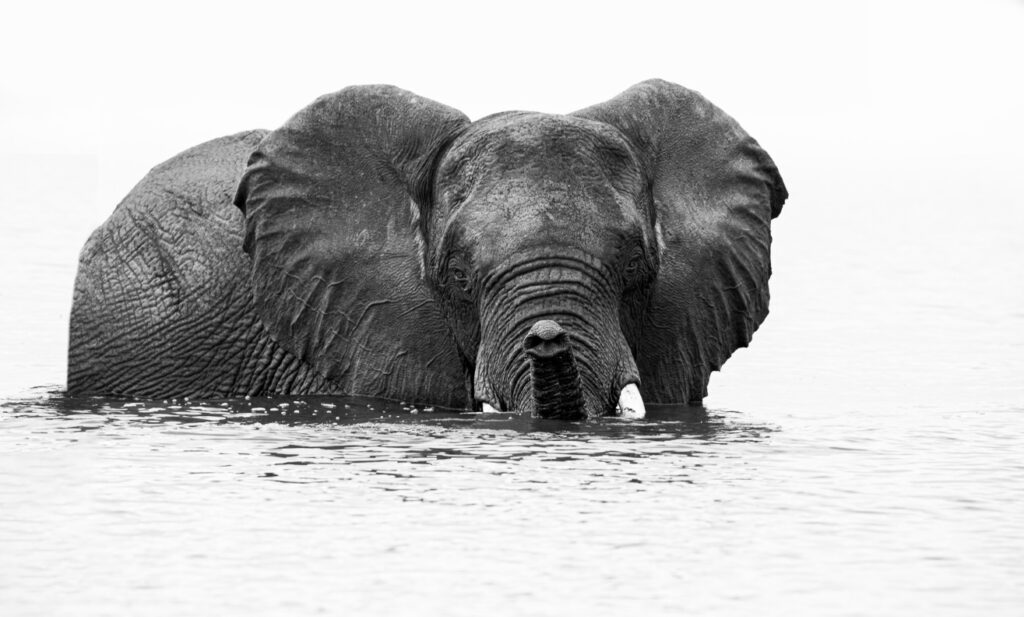
For many photographers, monochrome, or black-and-white photography, isn’t just a post-processing filter. It’s a way of seeing the world, a different artistic discipline that requires a unique mindset from the moment you lift your camera.
Shooting with monochrome in mind forces you to focus on elements that are often overlooked in the colorful world. Color can be a distraction, drawing the eye away from the core components of a scene. When you strip away color, you're left with the essentials:
Light and Shadow
Monochrome photography is fundamentally about the interplay of light and shadow. You start to see the way light falls on a subject, the stark contrast between bright highlights and deep, rich blacks. This focus on tonality and contrast is what gives a black-and-white image its power and mood. Instead of a vibrant red flower popping against a green background, you see the subtle gradients on its petals and the deep shadows of its leaves.
Texture and Form
Without color to guide the eye, texture becomes a key player. The rough bark of a tree, the smooth surface of water, or the wrinkles on an aged face all take on a new life in monochrome. You become more attuned to the shapes, lines, and patterns that define a scene. This is why subjects like architecture, landscapes, and portraits with strong physical features often lend themselves so well to black-and-white.
Emotion and Timelessness
Monochrome photography can evoke a profound sense of emotion and timelessness. By removing the colors of a specific era, black-and-white images can feel classic and enduring. The lack of color can also heighten the emotional impact of a photograph, leaving the viewer to focus on the story or feeling of the moment without the distraction of a colorful backdrop.
As the last golden rays of the African sun dip bel...
Every click of your camera on safari captures a mo...
Well, if we're heading to the incredible Chobe Riv...