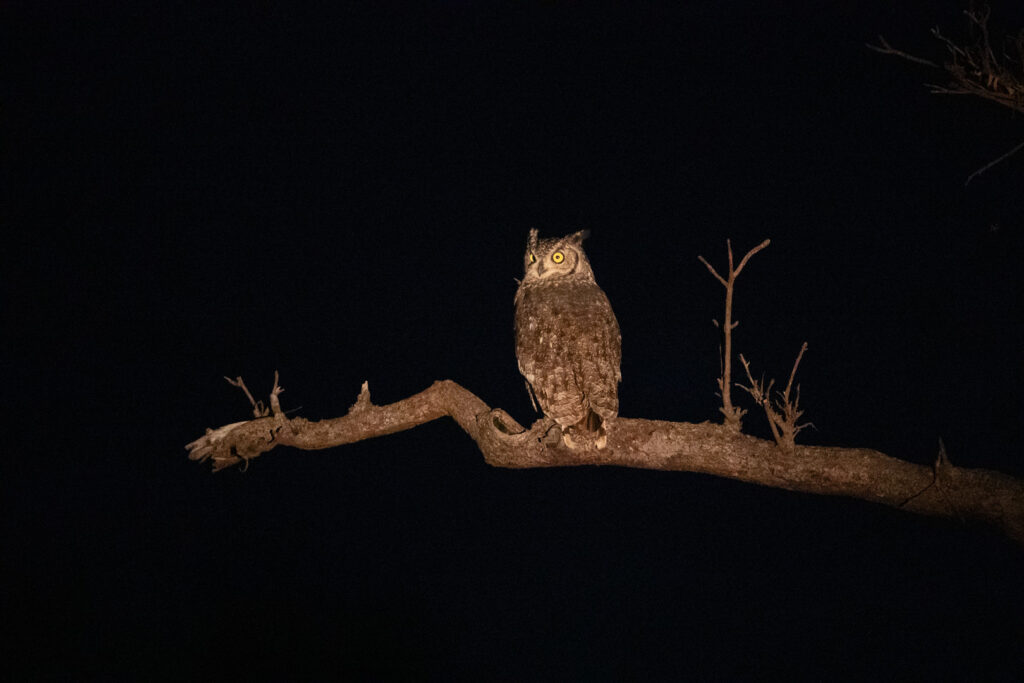
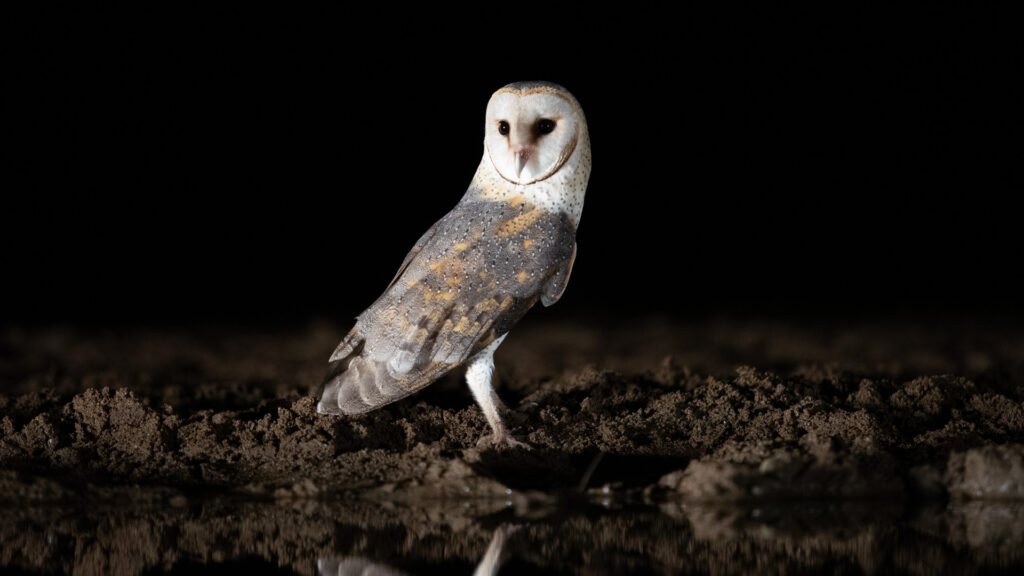
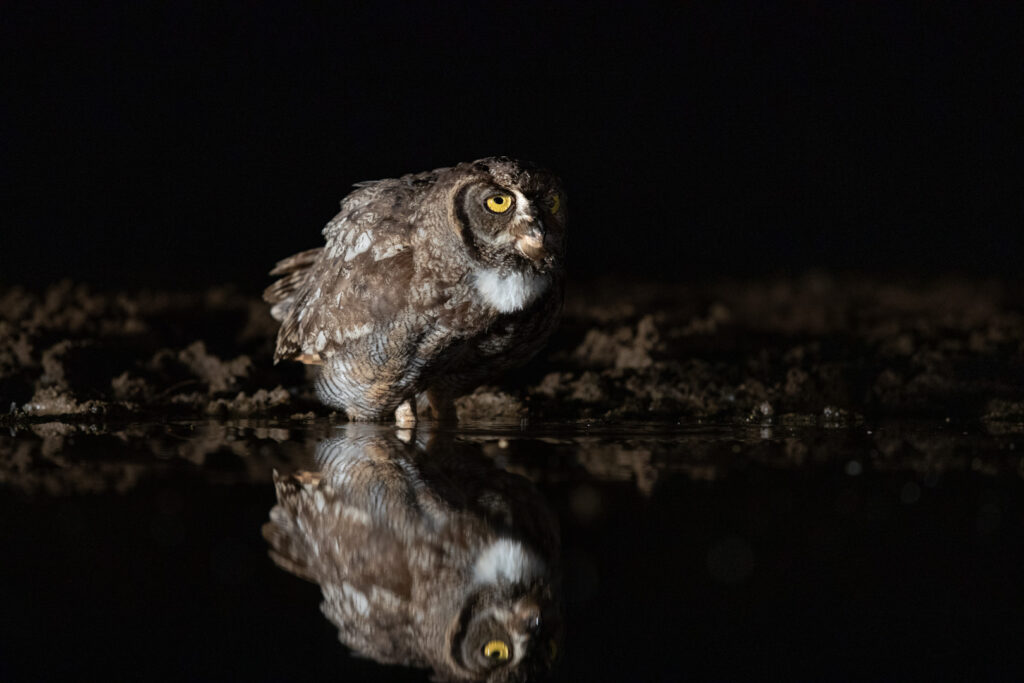
As the last golden rays of the African sun dip below the horizon, painting the sky in fiery hues, many believe the photographic opportunities cease. But for those willing to embrace the darkness, a whole new world of subjects, brimming with mystery and unique challenges, emerges. Night drives on safari offer an exhilarating glimpse into the nocturnal rhythms of the bush, presenting incredible chances to photograph "unseen giants"—from elusive predators to enchanting owls. Capturing these moments, however, requires more than just a camera; it demands a shift in technique and a deep respect for the animals you are observing. Unlike daytime shooting, the absence of natural light is your primary obstacle. Here are some essential tips to help you master night photography on safari and come away with stunning, ethical shots.
1. Embrace the High ISO
In low-light situations, your camera's ISO setting is your best friend. Don't be afraid to push it higher than you normally would, into the 3200 to 6400 range, or even higher if your camera handles noise well. A higher ISO increases your sensor's sensitivity to light, allowing you to capture a well-exposed image in the darkness. While this can introduce digital noise or "grain," a slightly noisy, sharp photo is always better than a clean, blurry one.
2. Open Up Your Aperture
A wide aperture is crucial for letting in as much light as possible. Using a lens with an f/2.8 or f/4 aperture is ideal. A wider aperture (a lower f-number) also creates a shallower depth of field, which helps to isolate your subject and blur the often-cluttered background. This draws the viewer's eye directly to the animal and gives your photos that classic, professional look.
3. Keep Your Shutter Speed Fast
Even at night, nocturnal animals are often on the move. To freeze their action and avoid motion blur, you need a relatively fast shutter speed. Aim for at least 1/1000th of a second, but be prepared to go even faster for fast-moving subjects like a hunting leopard or a fleeing antelope. Combining this fast shutter speed with a high ISO and wide aperture is the key to getting a sharp image in the dark.
4. The Art of Using a Spotlight Ethically
Your safari vehicle’s spotlight is an invaluable tool, but it must be used with care and respect. Its primary purpose is to help find and observe animals, not to be a constant source of illumination for your photo session.
By mastering these techniques and approaching your night drives with patience and respect, you'll be able to capture the extraordinary, unseen world of nocturnal wildlife. The thrill of a well-executed night shot is unparalleled, leaving you with images that truly tell a story of the wild after dark.
Every click of your camera on safari captures a mo...
Well, if we're heading to the incredible Chobe Riv...
For many photographers, monochrome, or black-and-w...